
Bio
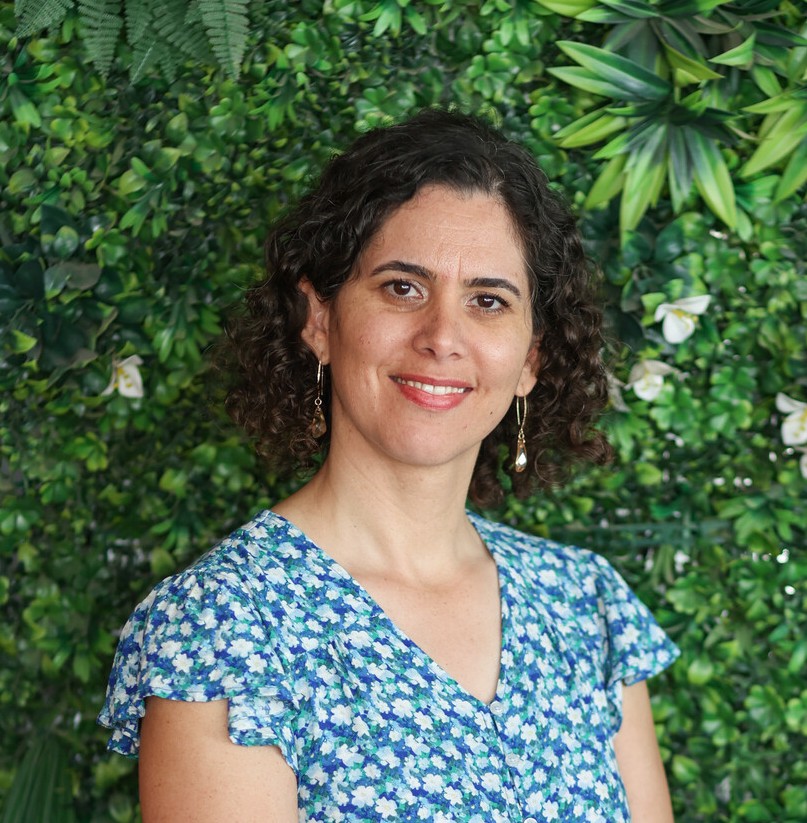
Dr. Dikla Yogev is Research Assistant Professor at the Jack D. Gordon Institute for Public Policy at Florida International University.
Her work brings together computational social science, organizational sociology, and social network analysis to examine communities, organizations, and networks.
She holds a PhD in Criminology and Jewish Studies (University of Toronto, 2022), as well as graduate training in sociology and business, and uses computational methods, big data, and artificial intelligence to analyze social and organizational processes at scale.
Her peer-reviewed publications, including work in Industrial Relations Journal, Experimental Criminology, Journal of Trust Research, Policing & Society, and Contemporary Jewry, among others, address substantive questions in leadership, organizational networks, state-community relations, police legitimacy and trust, and contemporary antisemitism.
Across these areas, she studies how people organize, how power is distributed, and how communities, organizations, and institutions interact, collaborate, and pursue collective goals.
She is experienced in teaching research methods, research design, and advanced statistics, and is deeply committed to mentoring students in data-driven research.
Dr. Yogev also has substantial experience designing and managing large international and interdisciplinary research projects.
She has led and managed federally funded collaborations across multiple institutions, countries, and sectors.
Recent projects include HOP: Histories of Orthodoxy (2024-2026), an international collaboration on historical networks in Europe involving the University of Toronto (Canada), the University of Wrocław (Poland), the University of Vienna (Austria), the Open University of Israel, Bar-Ilan University (Israel), and the Hebrew University of Jerusalem (Israel), as well as the National Assembly for Workplace Democracy (2023-2025), a Canada-wide University of Toronto’s initiative that brought together the public, academics, government partners, and practitioners to develop new approaches to workers’ voice.